Cultivating Overlooked Places
What we do
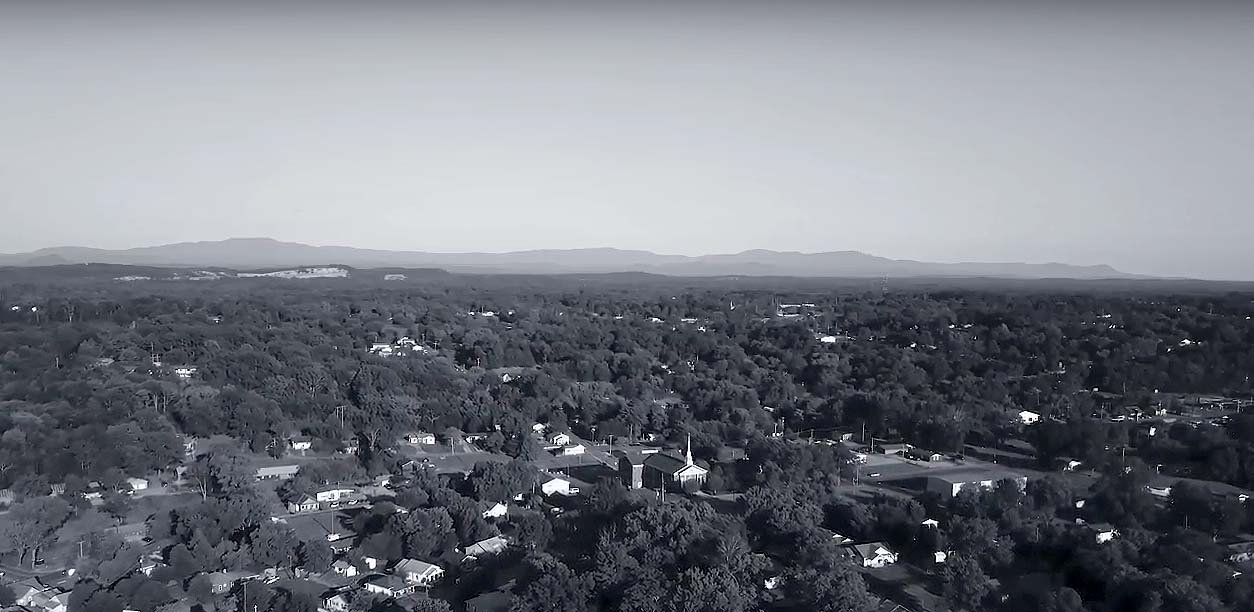
City Fields collaborates with historically overlooked and underserved communities in Cleveland, TN as they work to reach their full potential.

Workforce Development
We partner with local employers, schools, and agencies to offer free training that leads to long-term, stable employment.

Stable Housing
We want to empower our neighbors to own their own property and set down roots in the community.

Neighborhood Engagement
We partner with neighborhood leaders to host get-togethers, events, and foster further community development.

Community Gardens
Our gardens not only nurture healthy food , but also healthy social connections and sense of community.
Get involved
Join our next community event, or volunteer with a City Fields program.
Our approach
City Fields takes a place-based approach to neighborhood revitalization.

What is a place-based approach?
We seek to empower the residents of a neighborhood with information and resources so they can lead the revitalization of their community. We spend a lot of time listening, providing tools for residents to better understand the forces at work around them, and advocating for change. We live and work in a community for years because we know that’s the kind of commitment required for change.
Our neighborhoods

Blythe Oldfield
Established in the early 1900’s, Blythe Oldfield was a solid middle working-class neighborhood for years. Over time, outside factors led to neighborhood decline resulting in closed or relocated businesses and a decline in owner-occupied home ownership. The residents left behind felt forgotten. Though significant changes have occurred over the past decade, it is still one of Cleveland’s most economically overlooked communities.

College Hill
Established in 1863, College Hill is Bradley County’s oldest historically Black neighborhood, shaped by generations of neighbors who built a resilient community identity. Neighbors still recall a time when “school was the anchor, church was the anchor,” reflecting a legacy of unity that defines the neighborhood’s spirit. Through segregation-era infrastructure projects in the 1960s and 70s physically isolated College Hill and disrupted its growth, its legacy families remain deeply rooted. Today, approximately 500 families—including a growing Latino community—call College Hill home, carrying forward its history while shaping a vibrant and evolving future.
Support us
Join us in building flourishing communities!

Donate
Make a one-time or ongoing financial donation to our work

Volunteer
Sign up for a volunteer opportunity

Take a Tour
Join a guided tour to learn about our neighborhoods
Our partners